
Most Filtration Problems Are Actually Flow Problems
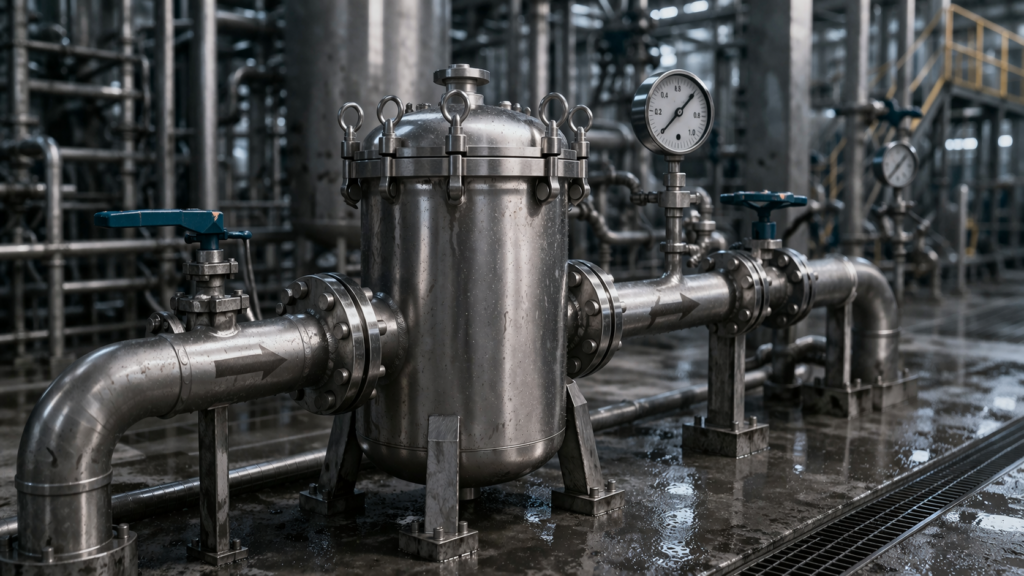
Filtration flow problems often look like filter problems at first. When performance drops, the filter usually gets blamed. Teams may change elements, tighten micron rating, or upgrade media to restore control. But in many industrial systems, the filter only shows the symptom. The real cause often comes from excessive flow rate, unstable velocity, system upset, or poor hydraulic alignment.
Why the Filter Often Gets Blamed Too Early
A filtration system is expected to protect process quality, equipment, and downstream performance. So when pressure rises, filter life shortens, or contaminants appear where they should not, the filter becomes the obvious target. But a filter only performs within the conditions imposed on it. If the flow profile is unstable or the velocity is higher than the design intent, the filter may be forced to operate outside its most efficient range.
That is why replacing the element does not always solve the problem. The filter changes, but the flow condition remains. As a result, the same performance issue often returns and is misread as a product limitation instead of a system condition issue.
How Flow Conditions Distort Filtration Performance
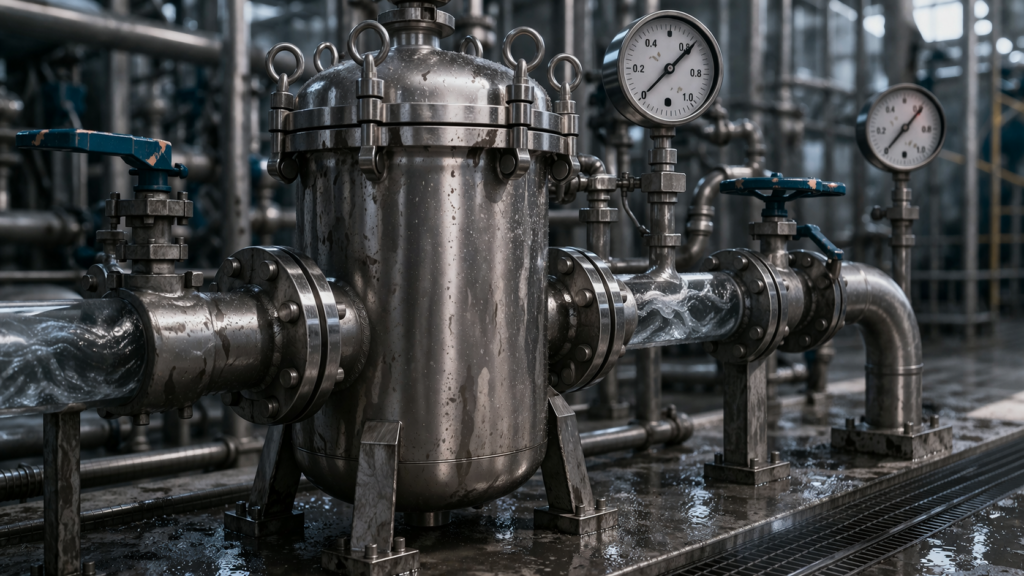
Flow affects more than throughput. It influences contact time, pressure development, dirt-loading behavior, and how consistently particles are retained. A system running at excessive or fluctuating flow may generate higher differential pressure, shorter service life, and inconsistent retention even when the filter media itself is correctly selected.
This is where many plants make the wrong conclusion. The filter appears to be underperforming, but the real issue is that the process is asking the filter to handle a hydraulic condition it was not meant to absorb. In that situation, a tighter filter may only create more restriction while the root cause remains untouched.
What the Better Diagnostic Question Should Be
Instead of asking whether the filter is good enough, the better question is whether the flow condition is aligned with the filter’s actual design role. That means looking at flow rate, process variation, contaminant loading pattern, pressure profile, and how the system behaves during peak demand or upset conditions. In many industrial liquid filtration systems, the right correction starts with hydraulic diagnosis, not immediate filter escalation.
When flow is understood correctly, filtration performance becomes easier to interpret, system stability improves, and product selection becomes more accurate.
Need a clearer view of what is happening in your filtration system? KETCO can help assess whether the issue is caused by filter selection, flow condition, or a mismatch between system demand and filtration design. Contact us at sales@filter.com.my for a free filtration audit.